Kate Ryan and Marah Ryan’s Mother-Daughter Relationship
Firefly LaneKate Ryan and Marah Ryan’s relationship is a mother-daughter bond transformed by the approach of Kate’s death: years of everyday conflict give way to apology, affection, and a clearer recognition of how much they have always meant to one another. Their reconciliation does not erase the strain of adolescence. Instead, it lets both women name that strain as part of a life they shared, while Kate makes room for Marah’s future even when she knows she will not be there to see it.
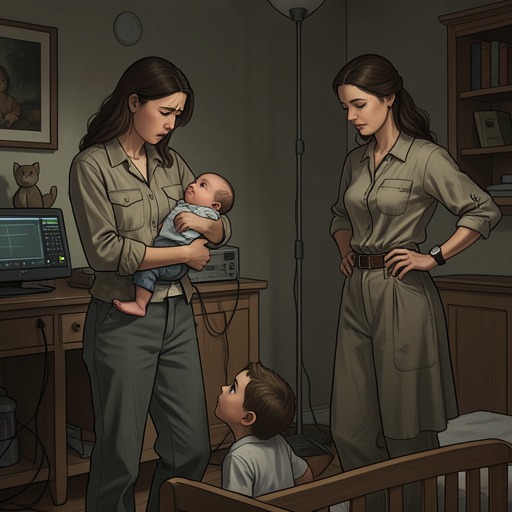
Mother and daughter before the reconciliation
The relationship has included a period when Kate and Marah were “at war.” Kate remembers having dreamed of the day Marah might admit she had been mean to her, but when that moment arrives, she sees their old battles differently: they were ordinary conflicts between a girl trying to grow up and a mother trying to hold on. The memory contains both affection and regret. Kate would now welcome another argument, because a quarrel would mean there was still time for the familiar work of being mother and daughter.
Marah’s apology connects her own behavior to a generational pattern. She says she was also mean to her grandmother, and jokes that teenage girls criticize their mothers; she adds that Aunt Tully was difficult to everyone, prompting a laugh that releases some of the tension. Kate does not turn this admission into a reckoning. Instead, she tells Marah she is proud of her daughter’s strong personality and spirit, affirming the very qualities that can make their relationship difficult as well as distinctive.
Illness changes the meaning of time
Kate’s cancer makes every conversation feel newly consequential. She understands that the words she and Marah say will be remembered, and that their relationship can no longer rely on an indefinite supply of ordinary days. Yet Kate resists letting illness become the only subject between them. During a long conversation, they talk instead about boys, writing, and movies; Marah tells her mother she has the lead in the summer play, which she had almost not auditioned for because Kate was sick. Kate’s attention to these everyday subjects preserves a space in which Marah remains a young person with interests and plans, not merely a daughter facing a parent’s decline.
That same concern shapes Kate’s response when Marah says she will not work during the summer because she plans to stay home. Kate tells her not to put her life on hold, reminding her that a summer job could help with college. Marah says she has decided on the University of Washington, like Kate and Tully, while Kate advocates for the drama program at the University of Southern California. She does not force the disagreement to a conclusion; when Marah refuses to discuss college, Kate lets the subject go. Her care consists not in controlling every choice, but in encouraging Marah to imagine a life that continues beyond her mother’s illness.
Affection made visible
The relationship’s change becomes especially clear in the physical language between them. When Kate opens her arms, Marah leans into a fierce embrace. Kate recalls that Marah’s hugs in recent years had usually been perfunctory or tied to getting her way; this one feels genuine, and she could hold on forever. Marah’s tears and their conversation about dancing together when she was little bring childhood closeness into the present. Kate remembers twirling her daughter until she giggled—and once until she threw up on Kate. Marah says they should not have stopped dancing, acknowledging that the distance between them was not inevitable or beyond regret.
Their reconciliation also gives Marah room to say what she feels plainly. After Kate takes her to lunch and they enjoy the ease of being together, Marah says it had felt as if they were friends. Kate answers that they had always been friends, even when neither of them knew it. Their mutual declarations of love do not resolve every practical difference, but they give the relationship an honest name at a moment when neither can assume that the words can be said later.
Stories and a legacy passed on
A favorite book becomes a concrete expression of what Kate has passed to her daughter. When Marah brings out the paperback of The Hobbit, she explains that Kate had given it to her years earlier for a time when she might feel sad and confused. She had tried to read it in recent weeks and could not; now she understands that the book is something they all need. The gift has changed from a private piece of mother-daughter inheritance into a shared comfort for the family.
Marah begins reading aloud to Kate and her brothers, William and Lucas. Her voice wavers at first, then steadies as the story takes hold. In this scene, the book’s return links Kate’s care when Marah was young to Marah’s care for Kate now: the daughter carries the familiar story into the room and reads it back to the family. The inheritance is not abstract. It is a book Kate chose, remembered, and gave; it becomes a way for Marah to accompany her mother and her brothers through a time of grief.
Trust in Marah’s future
Kate’s hopes for Marah extend beyond the immediate work of reconciliation. On a ride with Tully, she asks whether Tully still knows the person who runs the drama program at USC and suggests that Tully might call. Kate admits that the prospect of her daughter in Hollywood frightens her, but recognizes that Marah is surrounded by dreamers: Kate and Tully attended the University of Washington, Tully is a television star, and Marah’s father, Johnny, is a news producer. Rather than demand that Marah choose the life Kate would find safest, she accepts that the arts may be her daughter’s path.
The request also reveals how Kate understands her own absence. As she asks Tully to look after Marah and the boys, she knows she will not be present for Marah’s departure to college or for the rest of the lives the children will build. Tully promises that she will always be there. Kate trusts that promise, then asks whether Tully might look up Cloud again. Her confidence in Tully makes their friendship part of the family’s support for Marah: the bond between the two women becomes one means by which Kate’s care can continue after she is gone.
Kate and Marah’s reconciliation is therefore both intimate and unfinished. They recover laughter, touch, shared stories, and the words of love, while the illness prevents them from treating those moments as the beginning of an ordinary, extended future. Kate’s final acts of mothering are to affirm Marah’s character, urge her not to suspend her life, and entrust her to people who will remain. The relationship’s resolution lies not in a perfect agreement, but in renewed closeness and in Kate’s effort to send her daughter forward carrying both her love and the things she gave her.